How to Avoid Common House Painting Mistakes: A Professional’s Insight
Understanding the Importance of Preparation
When it comes to house painting, preparation is key. Skipping this crucial step can lead to uneven surfaces and paint that peels or chips away quickly. Start by cleaning the walls thoroughly to remove any dirt, grease, or mildew. Sanding the surface is also essential to ensure the new coat of paint adheres properly. A well-prepared surface can make a significant difference in the final outcome of your painting project.
Choosing the Right Paint
One of the most common mistakes homeowners make is selecting the wrong type of paint for their project. Consider factors such as the room's environment and surface material. For instance, bathrooms and kitchens benefit from paints that resist moisture and mold. Additionally, always test paint colors in small sections to see how they look in different lighting conditions. This can save you from the costly mistake of covering entire walls with an undesirable shade.
Tools and Techniques
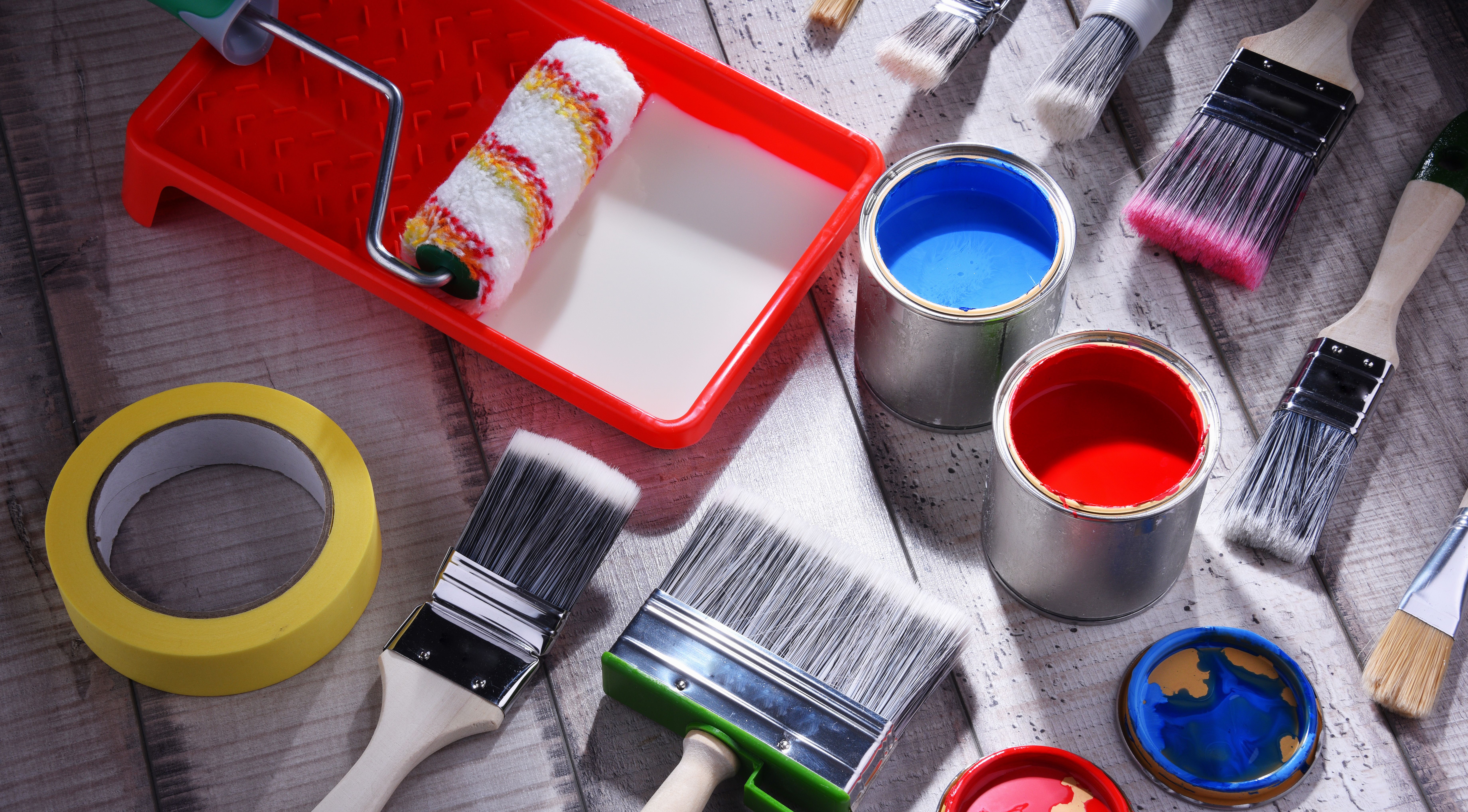
Using the right tools can significantly affect the quality of your painting job. Invest in high-quality brushes and rollers to ensure a smooth and even application. For large areas, a roller is your best friend, while brushes are perfect for trimming and detailed work. Be sure to use painter's tape to achieve clean edges and protect areas that should not be painted.
Mastering the Application Process
Avoid common application mistakes by using the correct techniques. Always paint in long, even strokes, and avoid applying too much paint at once, which can lead to drips and an uneven surface. Allow each coat to dry fully before applying another, as rushing this process can result in a patchy appearance. Remember, patience is a virtue when it comes to achieving a professional finish.
Common Cleanup Errors
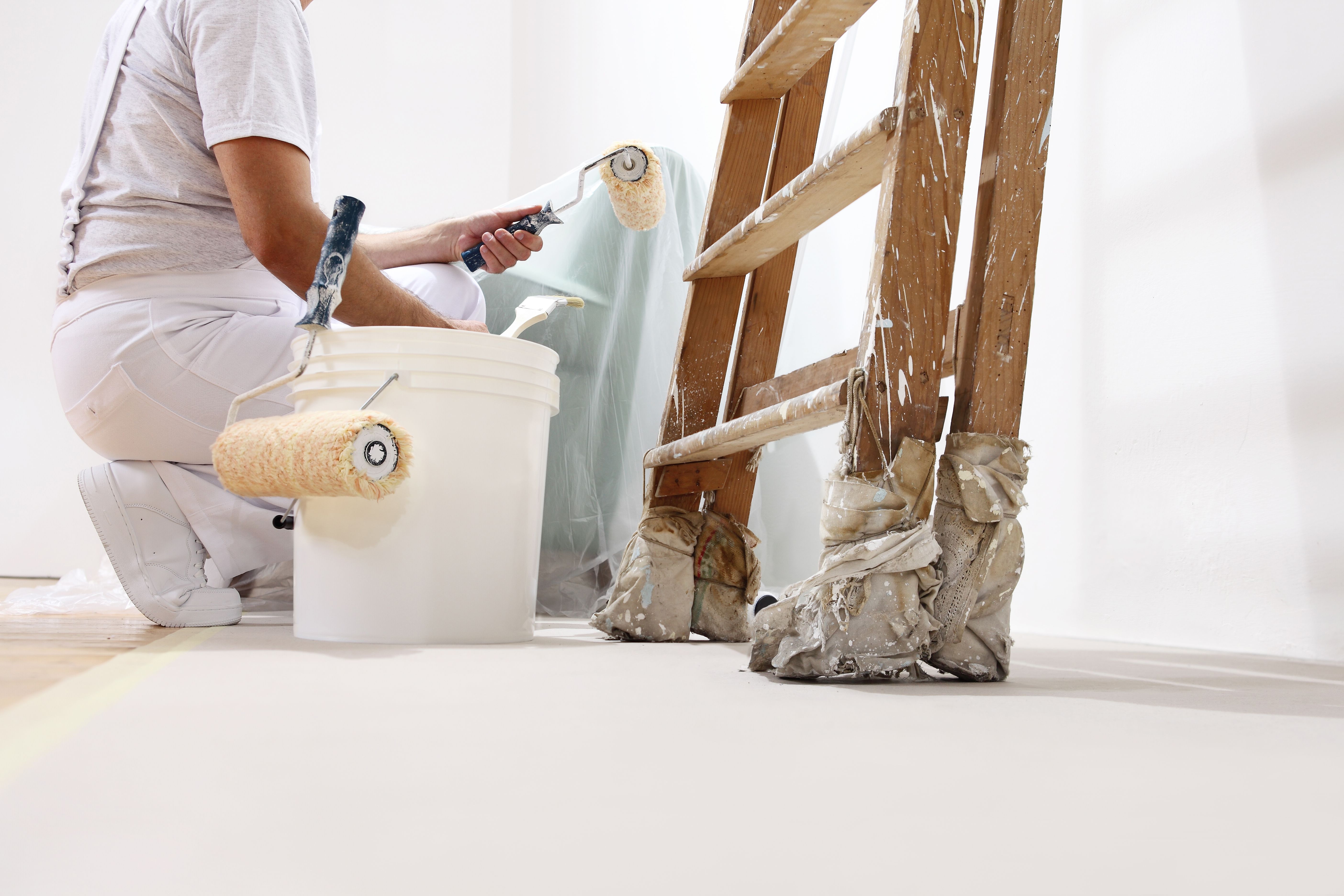
Once the painting is done, many people neglect proper cleanup, which can make future tasks more difficult. Clean brushes and rollers immediately to maintain their quality for future use. Remove painter's tape while the paint is still slightly wet to prevent peeling. A thorough cleanup not only leaves your space looking tidy but also extends the life of your tools.
Avoiding Touch-Up Mistakes
Inevitably, minor touch-ups might be needed after the main painting is complete. To avoid noticeable patches, use the same batch of paint whenever possible, as different batches might vary slightly in color. Feather the edges of your touch-ups to blend them seamlessly with the surrounding area.
Safety First
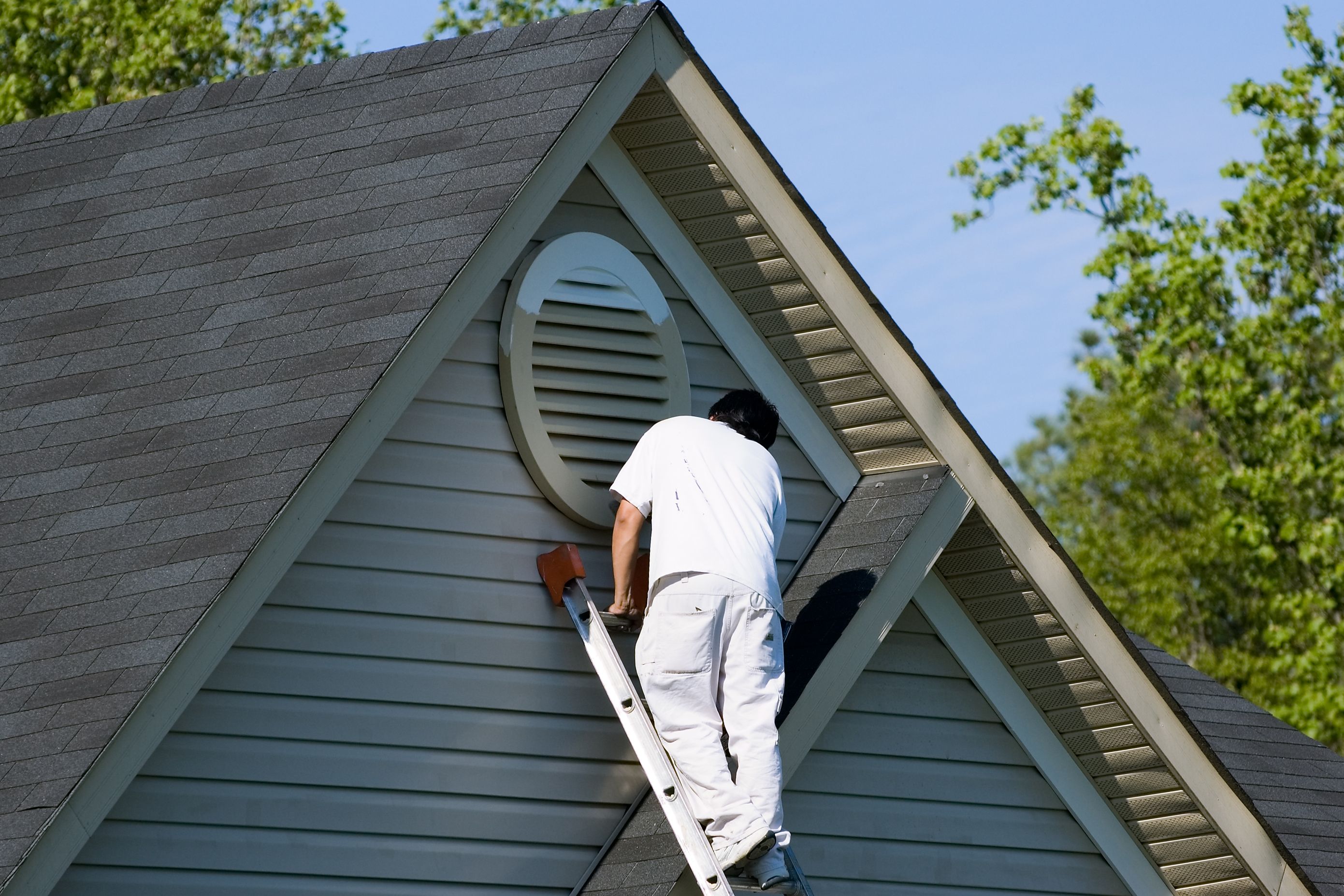
Many painters overlook safety precautions, which can lead to accidents or health issues. Always ensure proper ventilation when using paints with strong fumes, and wear protective gear like masks and goggles. If you're using a ladder, make sure it's stable and placed on even ground to prevent falls.

Conclusion: Professional Finish Every Time
By avoiding these common mistakes, you can achieve a professional-looking paint job that enhances your home's beauty and lasts for years. Remember that attention to detail and patience are your greatest allies in any painting project. Whether you're tackling a single room or the entire house, following these guidelines will help you avoid pitfalls and ensure a successful outcome.