Common Mistakes to Avoid When Painting Your Home Exterior
Choosing the Wrong Paint
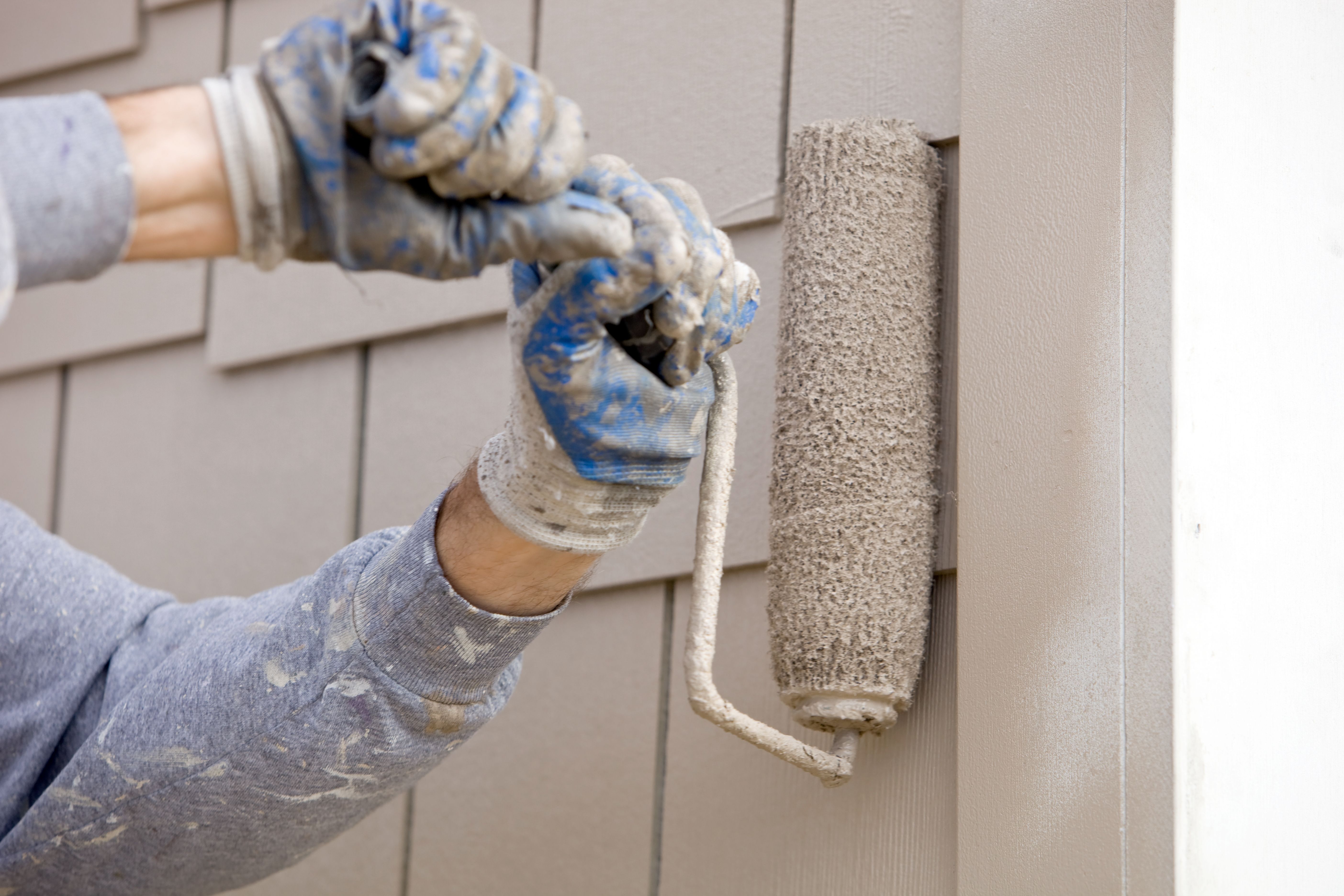
When it comes to painting your home exterior, selecting the right type of paint is crucial. Not all paints are created equal, and using the wrong type can lead to premature peeling, fading, or cracking. It's important to choose a paint that is specifically designed for exterior use and is suitable for the material of your home's surface, whether it's wood, brick, or stucco. Check the paint's resistance to weather conditions and ensure it has a long-lasting finish.
Ignoring Weather Conditions
Weather plays a significant role in the success of your painting project. Painting under adverse weather conditions like high humidity, extreme heat, or impending rain can ruin your efforts. Ideally, you should aim to paint on a calm, dry day with moderate temperatures. This helps the paint to adhere properly and dry evenly. Always check the weather forecast before starting your painting project to avoid any unexpected interruptions.
Skipping Surface Preparation
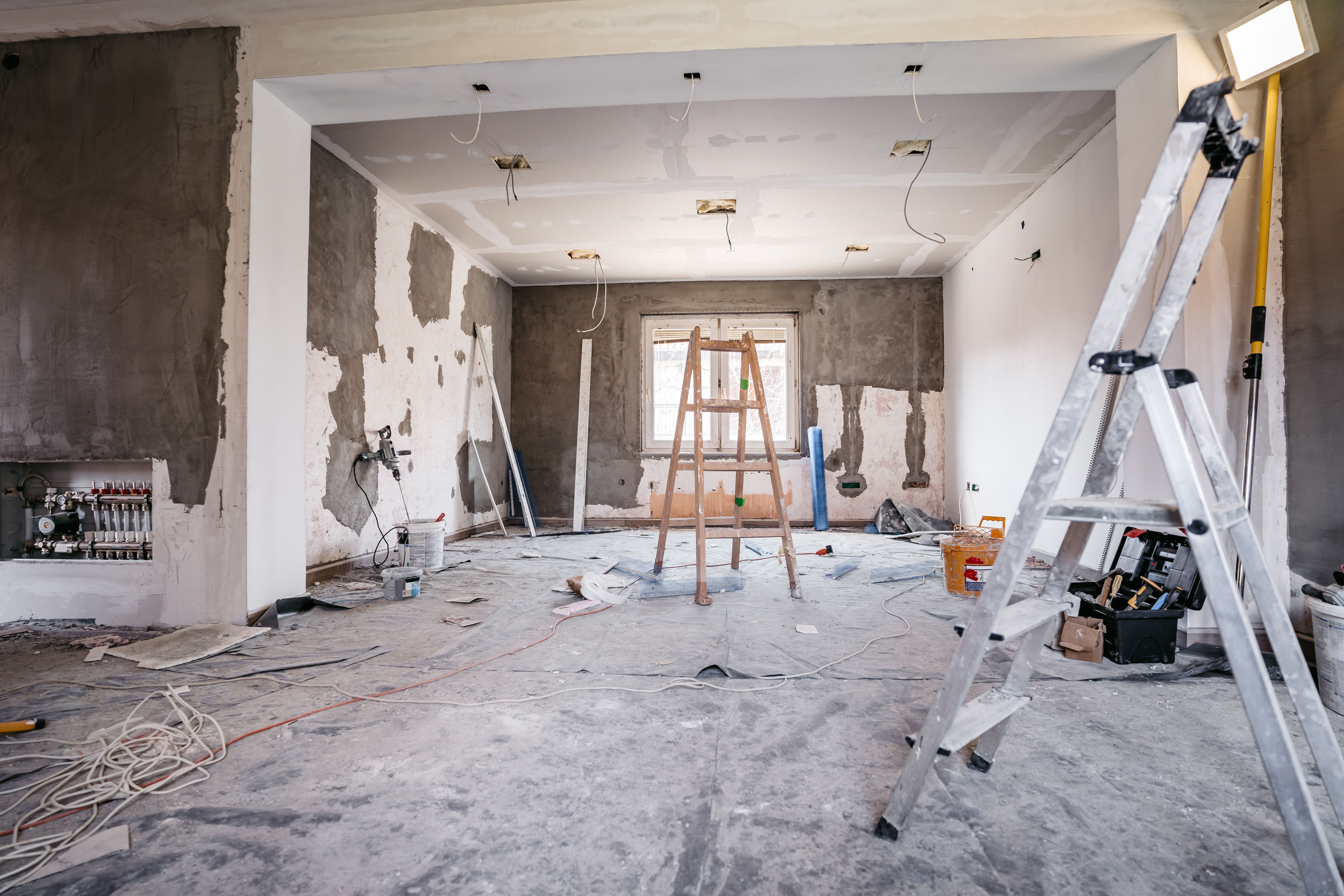
A common mistake that homeowners make is neglecting proper surface preparation before painting. This step is crucial for achieving a smooth and durable finish. Ensure that surfaces are clean, dry, and free from old paint, mildew, and dirt. Use a power washer for thorough cleaning and allow the surface to dry completely. Sand down rough patches and fill any cracks or holes with the appropriate filler.
Not Using Primer
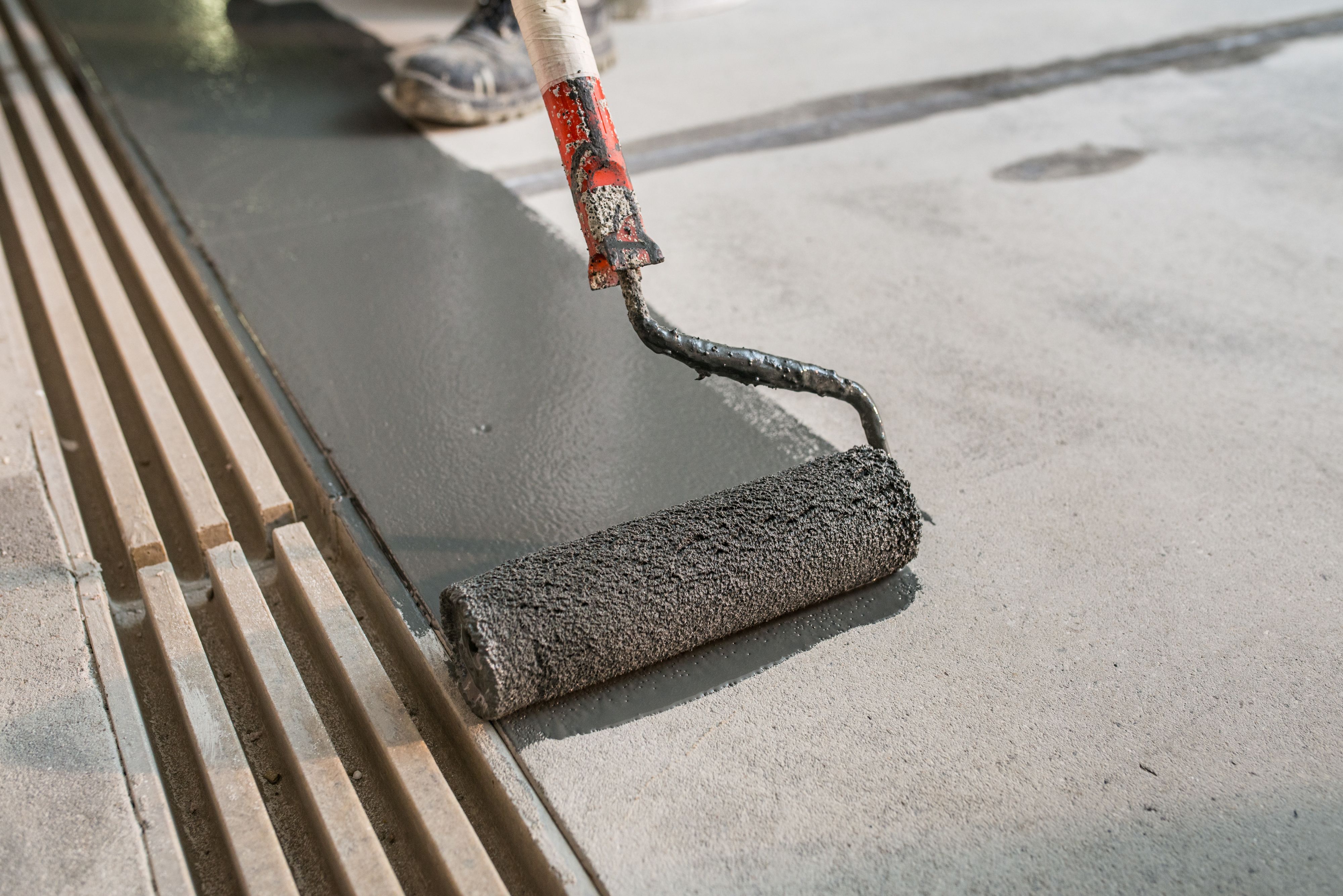
Primer acts as a foundation for paint to adhere to and is essential for a lasting finish. Skipping primer can lead to uneven coverage and a patchy appearance. A good primer will seal the surface, hide imperfections, and enhance the paint's adhesion. In some cases, you might consider a paint-and-primer-in-one solution, but be sure it's suitable for your exterior material.
Applying Too Thin or Too Thick Coats
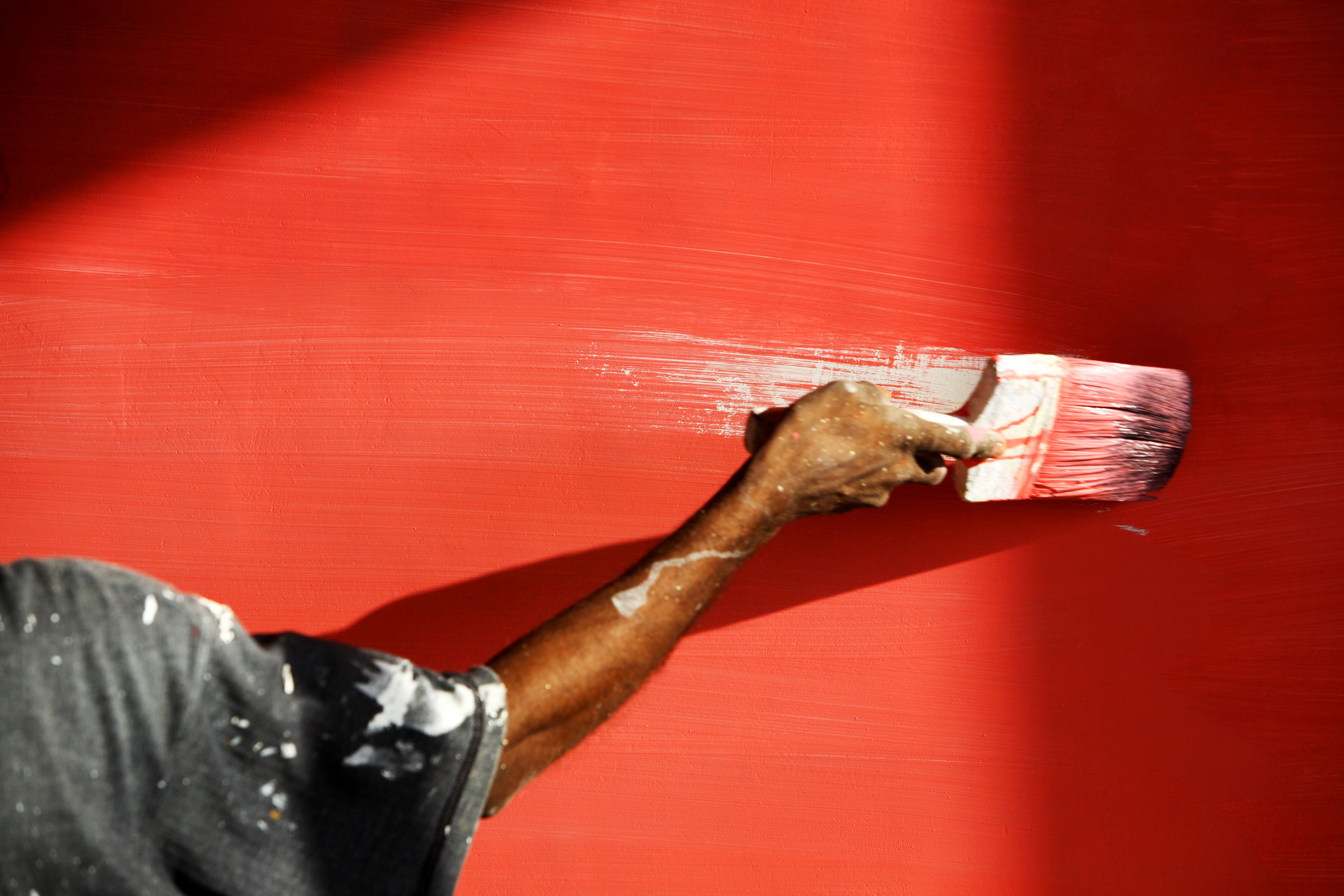
Getting the thickness of your paint coats right is imperative. Applying coats that are too thin may not provide adequate coverage, while coats that are too thick can lead to drips and uneven texture. Follow the manufacturer's instructions on how many coats are needed and allow each coat to dry thoroughly before applying the next one.
Neglecting Safety Measures
Safety should never be overlooked when painting your home's exterior. Working on ladders or scaffolding can be dangerous if not done correctly. Ensure that you have secure footing and use safety gear such as gloves and goggles to protect yourself from paint fumes and splashes. Also, be mindful of your surroundings to avoid any accidents.
Overlooking Maintenance
Once your home has been freshly painted, ongoing maintenance is key to preserving its appearance. Regularly inspect your exterior for signs of wear or damage and address any issues promptly. This will help prolong the life of the paint job and keep your home looking its best. Touch up small areas as needed to maintain a fresh look.
By avoiding these common mistakes, you can ensure that your exterior painting project is successful and long-lasting. Proper planning, preparation, and attention to detail can make all the difference in achieving a stunning finish that enhances your home's curb appeal.