5 Common Painting Mistakes Homeowners Make and How to Avoid Them
Choosing the Wrong Paint
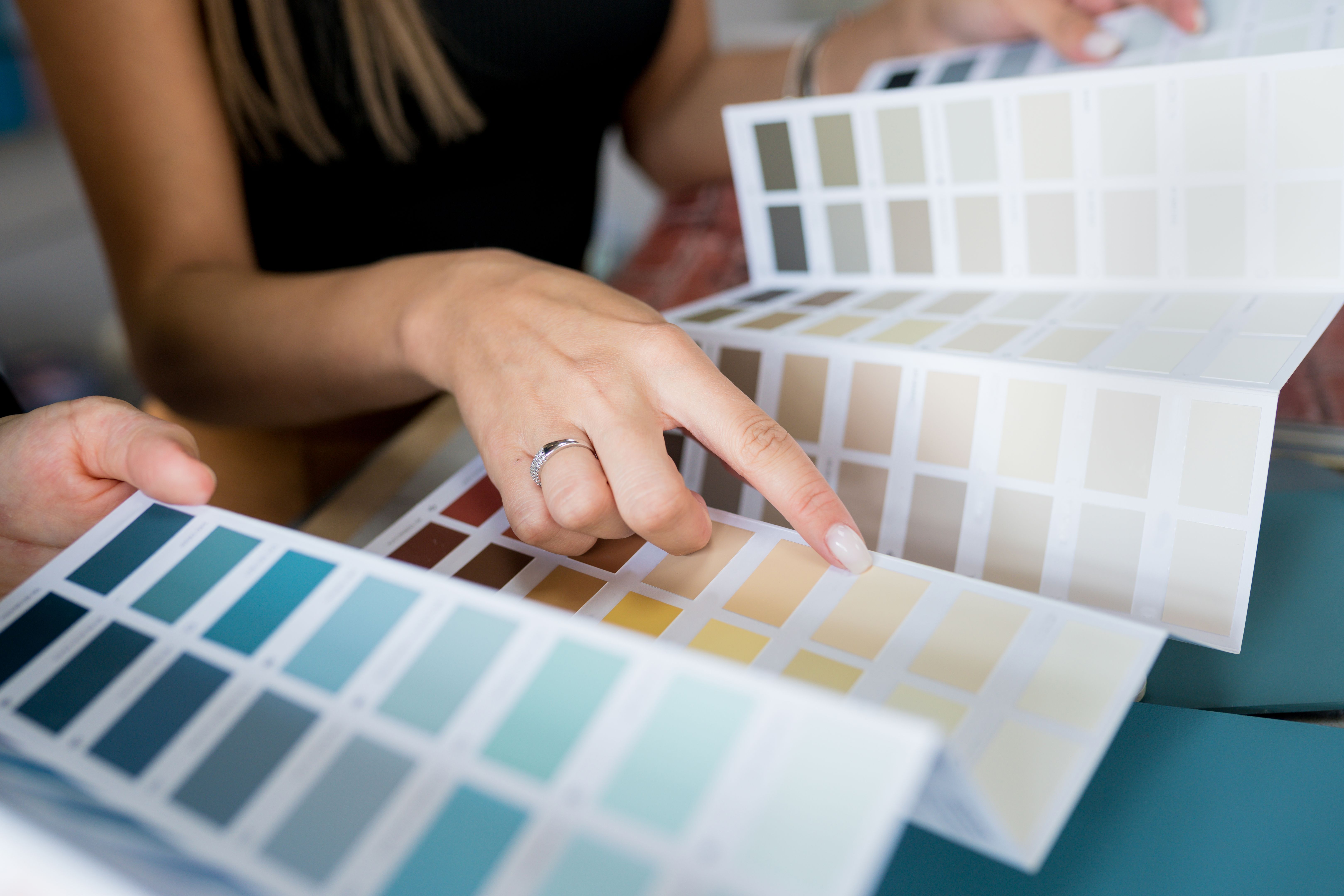
One of the most common mistakes homeowners make when painting is selecting the wrong type of paint. Using the incorrect finish can result in a less durable or aesthetically pleasing outcome. It's essential to distinguish between interior and exterior paints, as well as the various finishes available, such as matte, satin, and gloss.
To avoid this mistake: Consult with a paint professional or conduct research online to understand the best type of paint for your specific project. Consider the room's purpose and light exposure when selecting your paint finish.
Skipping Surface Preparation
A crucial step often overlooked is proper surface preparation. Failing to clean and prep walls can lead to poor adhesion and an uneven finish. Dust, dirt, and grease are common culprits that can ruin your paint job if not adequately addressed.
To ensure a smooth surface: Clean your walls thoroughly with soap and water, repair any holes or cracks, and use sandpaper to smooth out rough areas. Applying a primer can also help the paint adhere better and provide a uniform appearance.
Neglecting to Use Primer
Primer serves as a foundation for your paint, helping it adhere better to surfaces while enhancing the durability and vibrancy of the color. Skipping this step can lead to uneven color and increased wear over time.
For best results: Apply a coat of primer before painting, especially on new drywall, bare wood, or walls with significant stains. This will ensure a more professional-looking finish and prolong the life of your paint job.
Overlooking Proper Tools
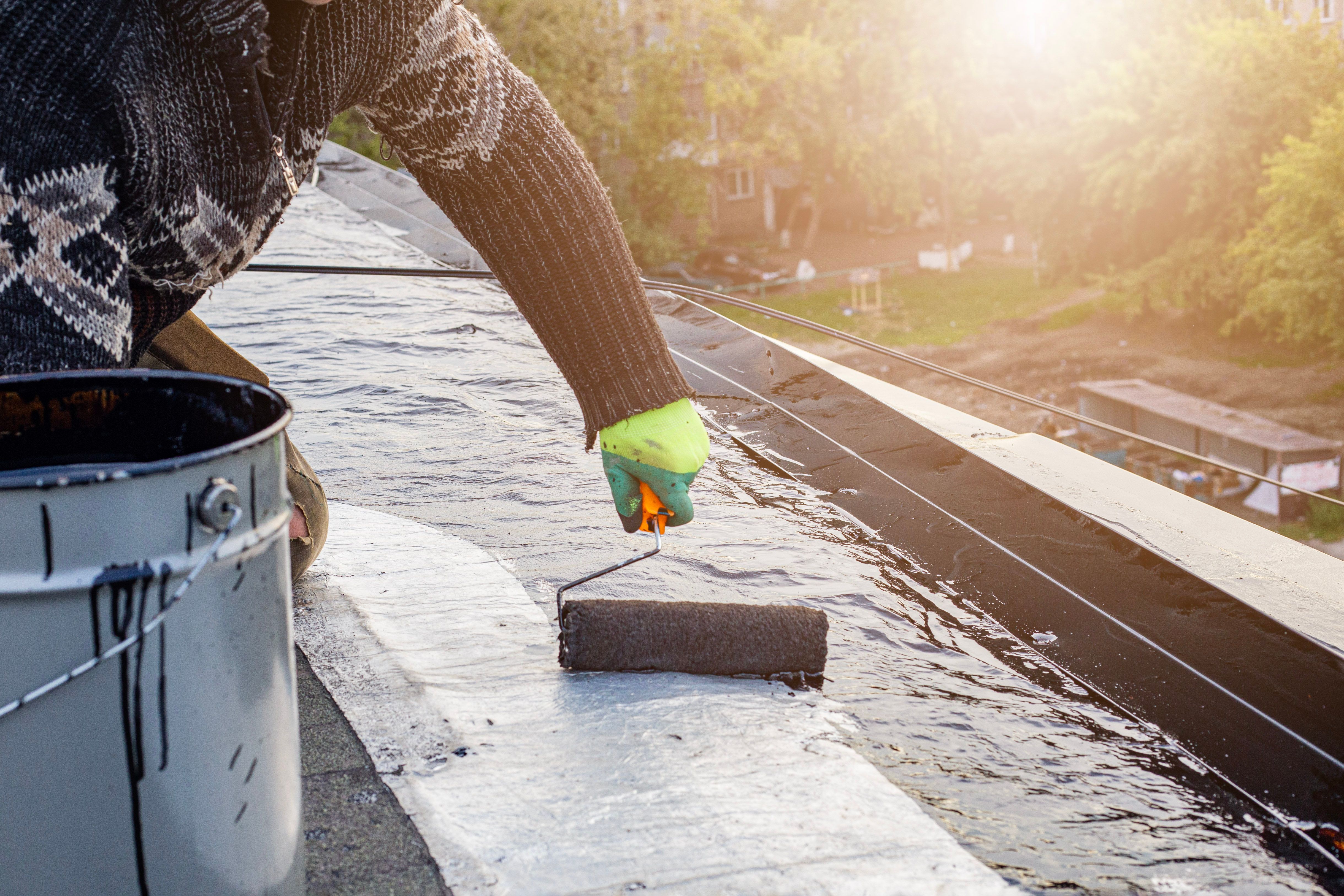
The quality of your tools can significantly impact the outcome of your painting project. Using cheap brushes or rollers can result in streaks and an uneven coat. Investing in high-quality tools will make the process easier and yield better results.
To avoid tool-related mishaps: Choose the right brush or roller for the type of paint and surface you're working with. For instance, use a roller with a thicker nap for textured surfaces and a thinner one for smooth walls.
Poor Painting Techniques
Even with the right paint and tools, poor painting techniques can lead to unsatisfactory results. Common errors include applying too much or too little paint, not maintaining a wet edge, and failing to use painter's tape effectively.
To refine your technique: Use even strokes and maintain a consistent speed while painting. Always keep a wet edge to prevent lap marks, and use painter's tape to achieve clean edges and protect trim or adjacent surfaces.
Avoiding these common painting mistakes can dramatically improve the outcome of your DIY projects. By selecting the right materials, preparing surfaces properly, and using quality tools with correct techniques, you can achieve a professional-looking finish that enhances your home's aesthetic.
Taking the time to plan and execute your painting project carefully will not only save you time and money but also ensure that your finished product is something you can be proud of for years to come.