5 Common Painting Mistakes and How to Avoid Them
Understanding the Importance of Preparation
One of the most common painting mistakes is skipping the preparation phase. Proper preparation can make all the difference in achieving a smooth and professional-looking finish. Before you start painting, ensure that your walls are clean, dry, and free from any debris or dust. Use a mild detergent to wash the walls and allow them to dry completely.
Another key part of preparation is taping off areas you don't want to paint, such as trim, windows, and ceilings. Using painter's tape can help create clean lines and prevent paint from bleeding into unwanted areas. Investing time in this step will save you the hassle of touch-ups later.

Choosing the Right Paint and Tools
Selecting the right type of paint and tools is crucial for achieving a great finish. A common mistake is using low-quality brushes or rollers, which can leave streaks or shed bristles into the paint. Opt for high-quality brushes and rollers that are appropriate for the surface you're painting.
When it comes to paint, consider the type and sheen best suited for your project. For instance, matte finishes are great for hiding imperfections on walls, while glossy finishes are ideal for areas that need frequent cleaning. Always test a small area first to ensure you're happy with your choices.
Applying Paint Incorrectly
Even with the right tools and paint, improper application can lead to unsatisfactory results. Avoid overloading your brush or roller with paint, as this can cause drips and uneven coverage. Instead, use light, even strokes and apply multiple thin coats for a smooth finish.
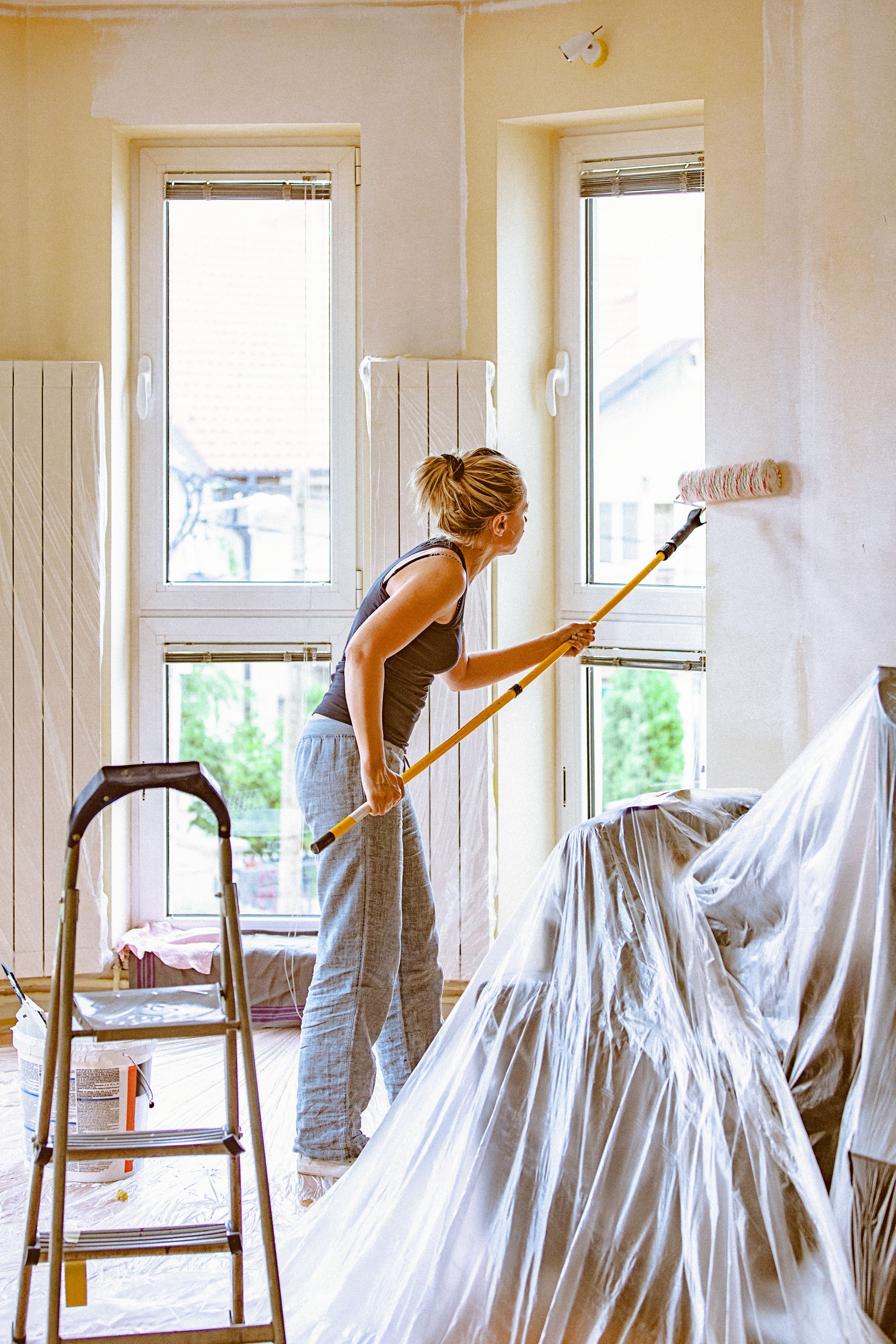
Another common mistake is not allowing sufficient drying time between coats. Check the paint can for specific instructions on drying times, and be patient—rushing this process can lead to peeling or uneven color.
Ignoring Primer
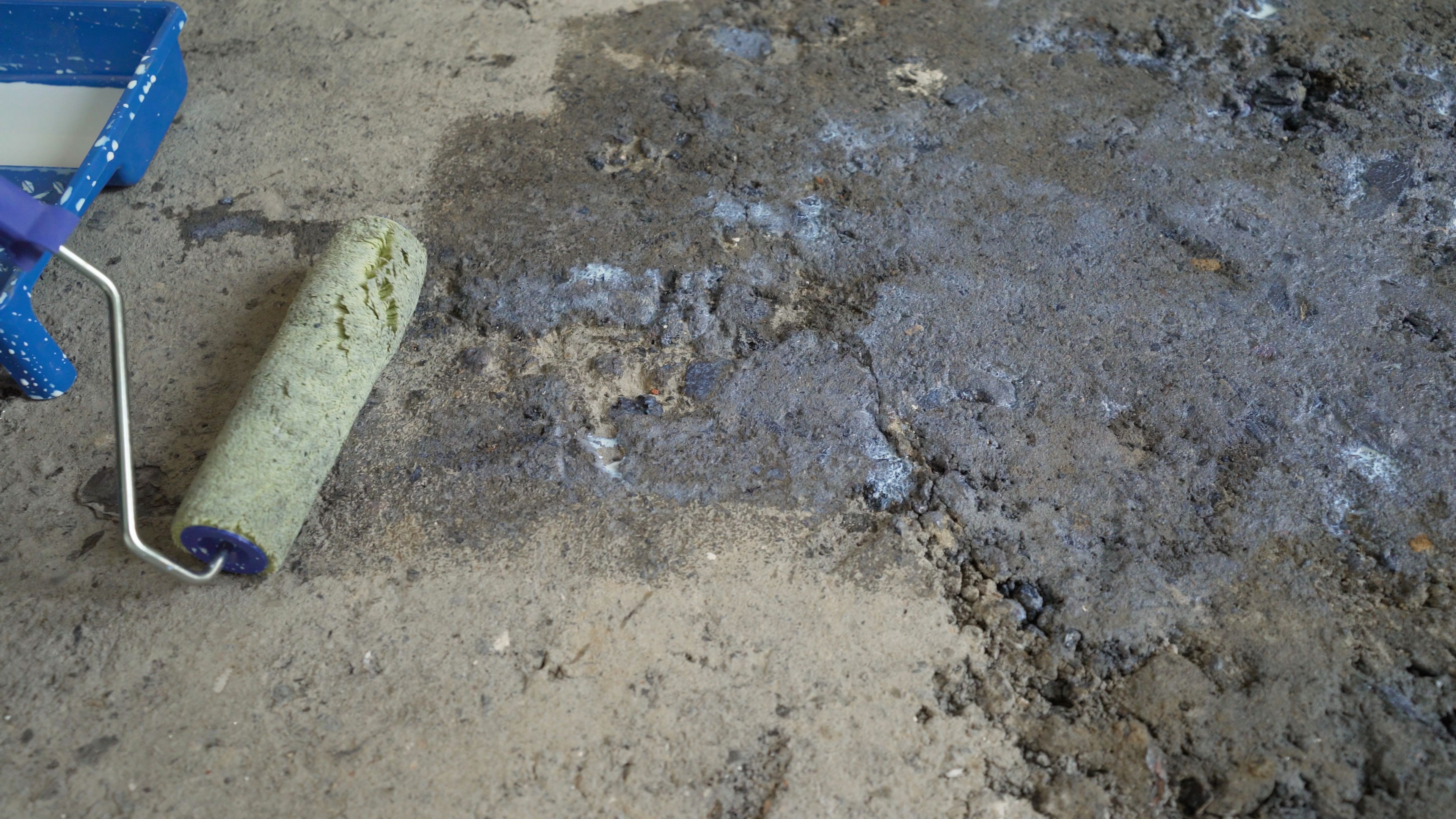
Skipping primer is a mistake that can compromise your paint job's durability and appearance. Primer creates a uniform surface for paint to adhere to and can block stains or odors from bleeding through. It is especially important when painting over dark colors or new drywall.
Choose a primer that suits the surface you're working with, whether it's wood, metal, or drywall. Applying one coat of primer can significantly enhance your final result.
Neglecting Finishing Touches
The final touches are just as important as the initial steps. Once your paint is dry, carefully remove painter's tape at a 45-degree angle to avoid peeling off any fresh paint. Inspect the painted area for any missed spots or drips and touch them up as needed.
In addition to visual checks, consider applying a protective topcoat if your painted area is prone to wear and tear. This extra step can extend the life of your paint job and keep it looking fresh for years to come.
Conclusion: Painting Success
Avoiding these common mistakes can make your painting project a success. From proper preparation to choosing the right tools and finishing with care, each step is crucial in achieving a flawless finish. By taking the time to understand and execute these steps correctly, you'll transform your space with confidence.